
Dye Journal
Explorations in Natural Dyeing, Indigo, Shibori, Weaving, Sashiko, and all things textile related.
Japanese Indigo Ink
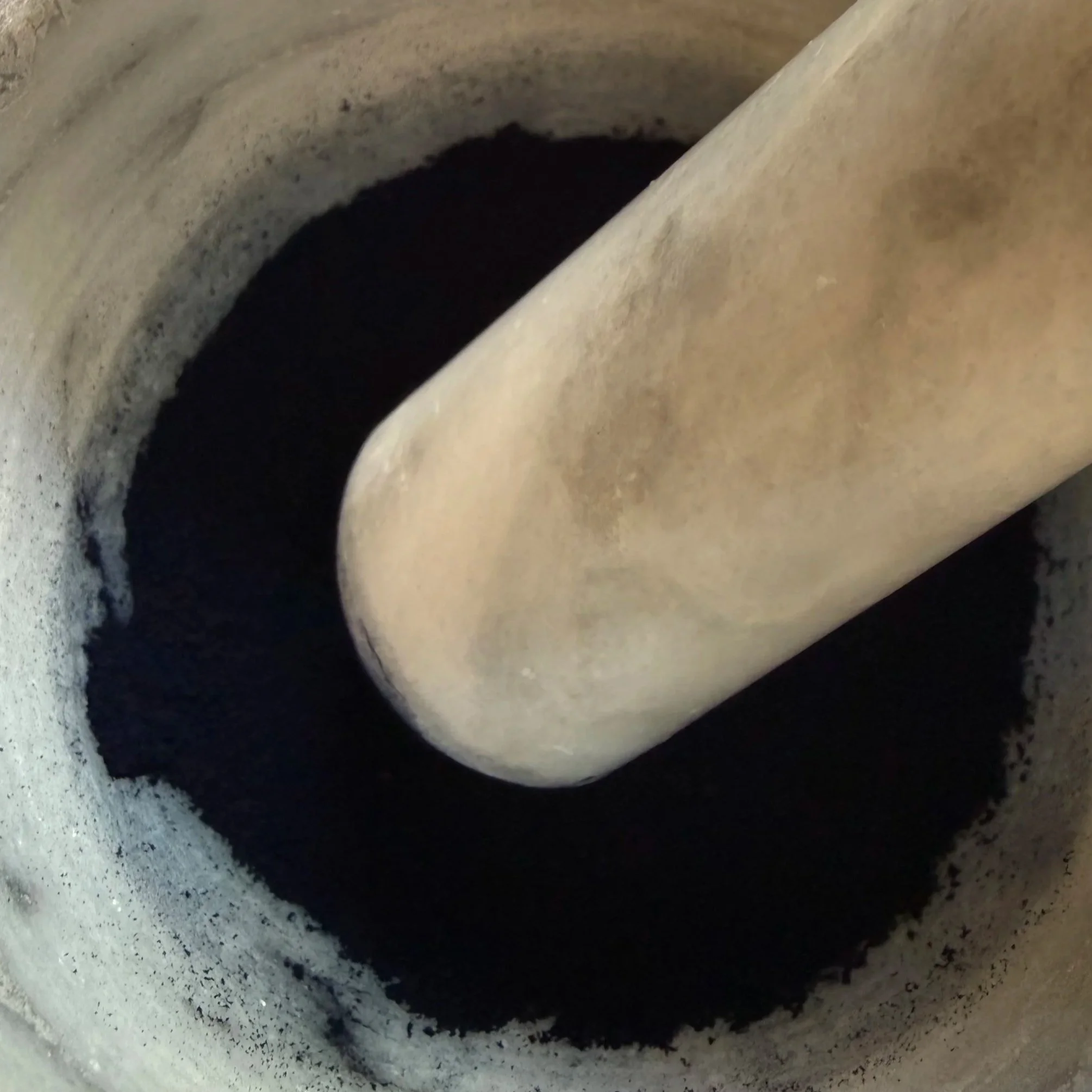
Working through the amazing ‘Colour is Alive’ text by Greta Facchinato, I was drawn to the process for Japanese Indigo Ink.
Men’s Monthly Mending
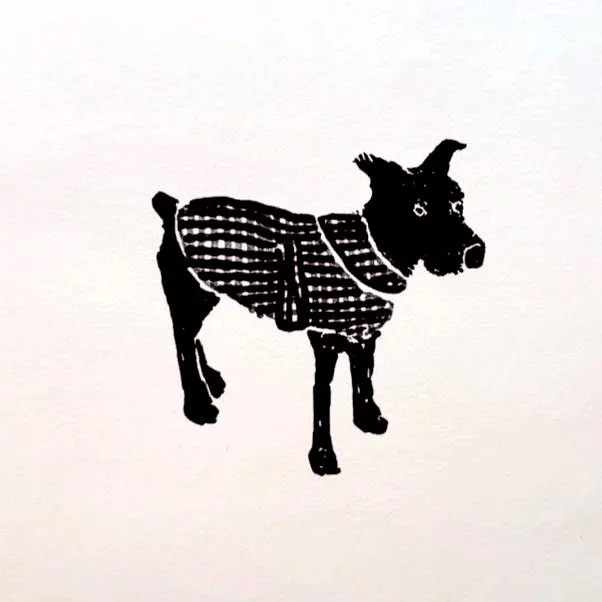
Kicking off the first Men’s Monthly Mending with a sewing project that has been sitting in my UFO bin for a while.
Teaching Engagement: Indigo Dip Day
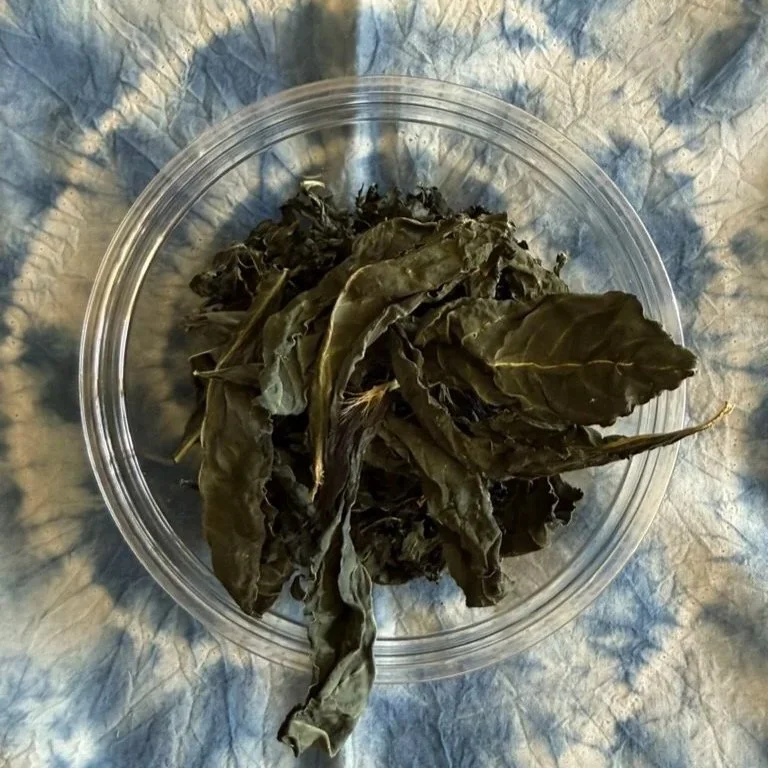
I had the pleasure of teaching a hand-stitched Shibori workshop during the Sacramento Collective for the Textile Arts' fourth annual Indigo Dip Day at the Shepard Garden & Arts Center.
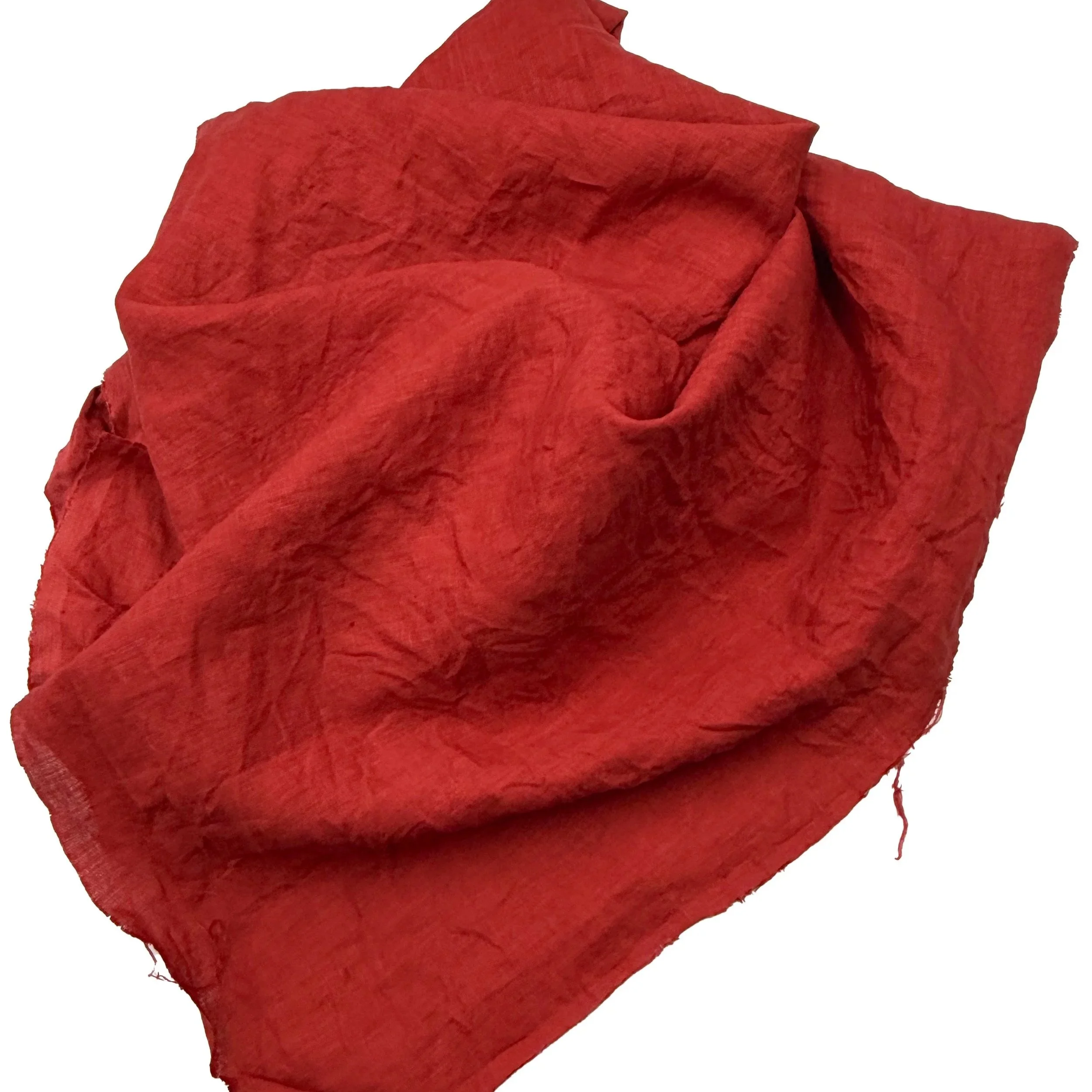
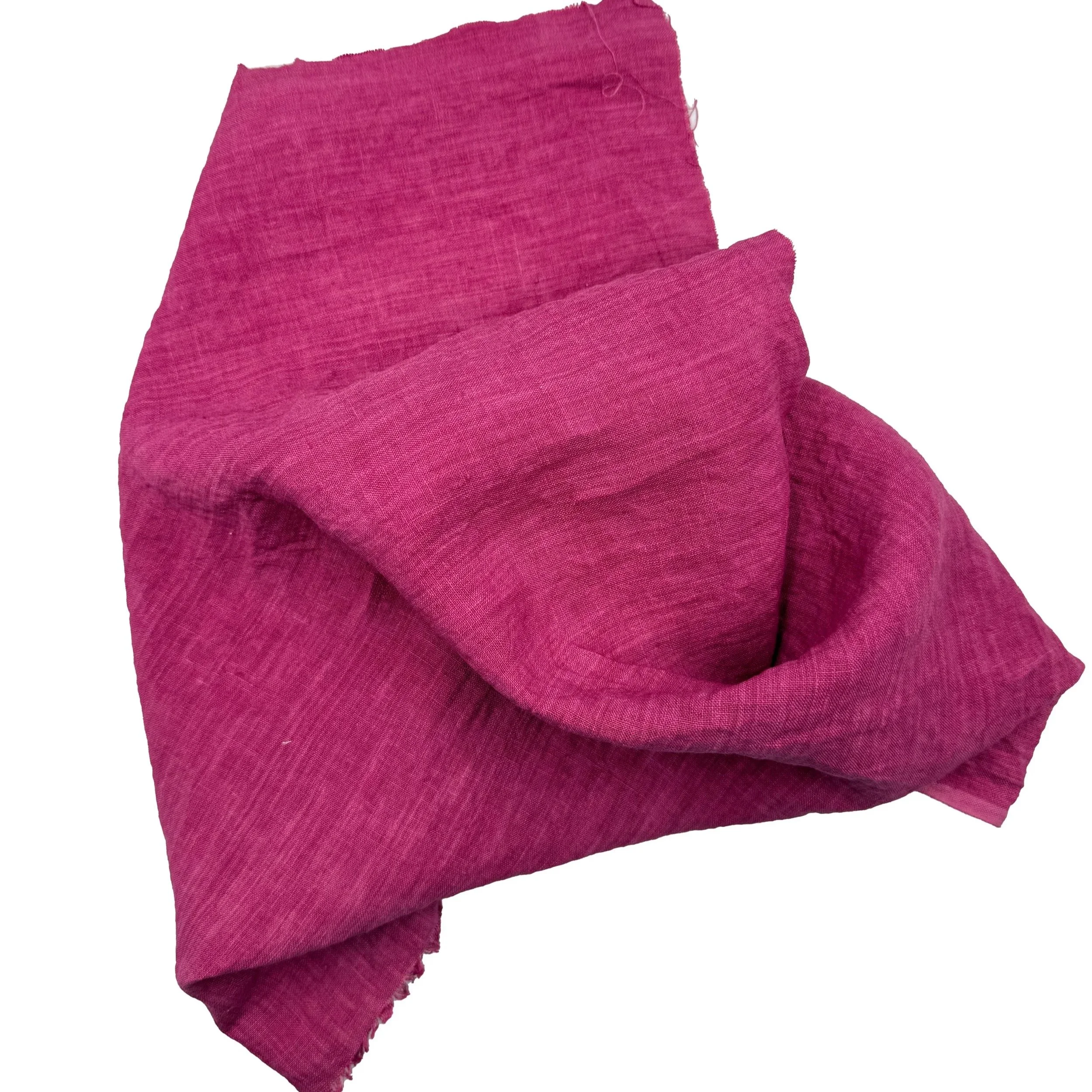
Dye Lab - Cochineal Steeping Tests
I wanted to see how a longer Tannin & Mordant steeping would change the colors so I did a batch with a 2 hour steep, one with a 4 hour, and one with a 6.
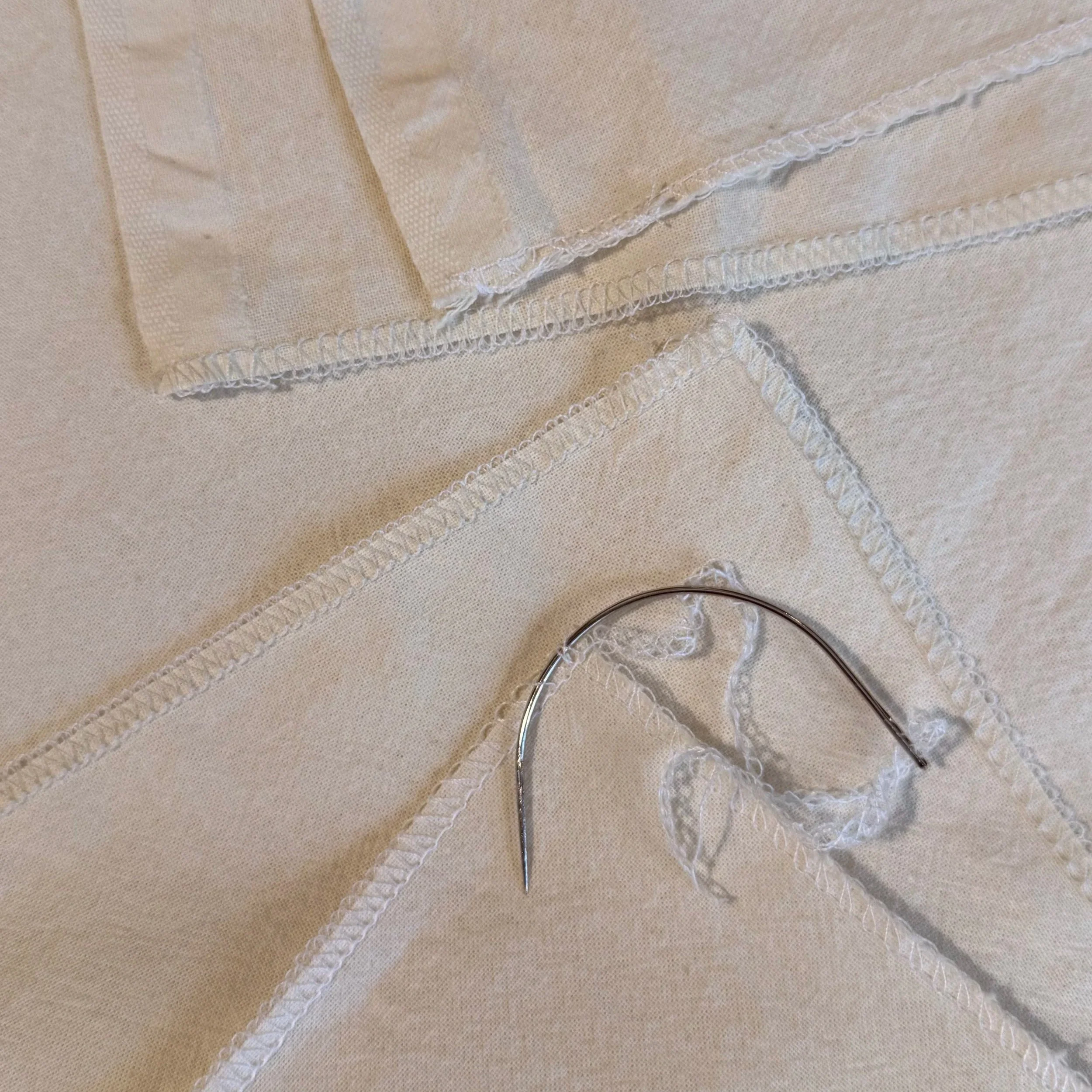
Slow Stitch Circle
Kicking off my first Slow Stitch Circle with a series of smaller projects.
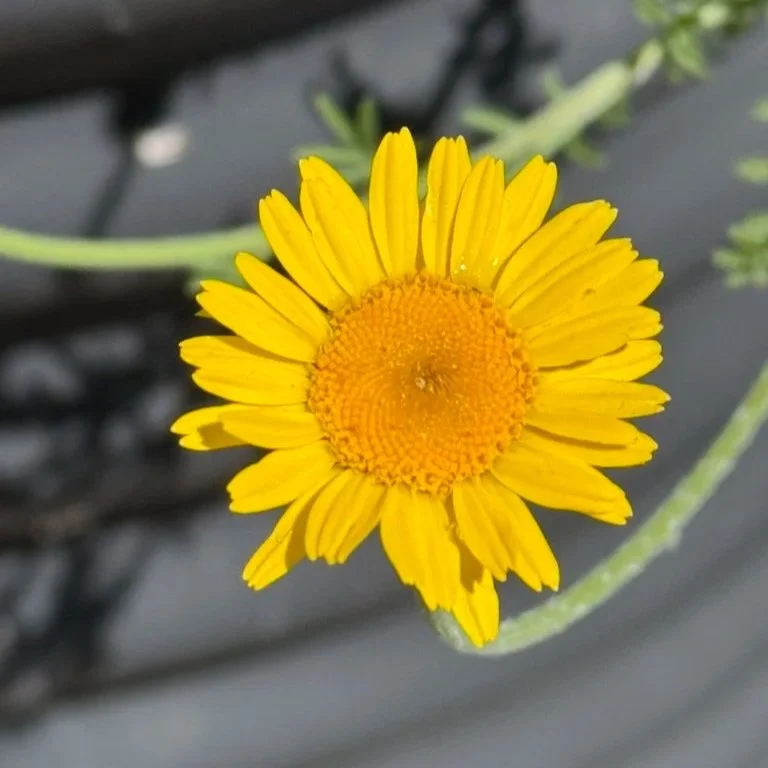
Golden Marguerite
Golden Marguerite harvest time. Already harvested my 2nd batch, this grows so well with very little care or water. I started this from seed 4 years ago and it self propagated and spread wonderfully.
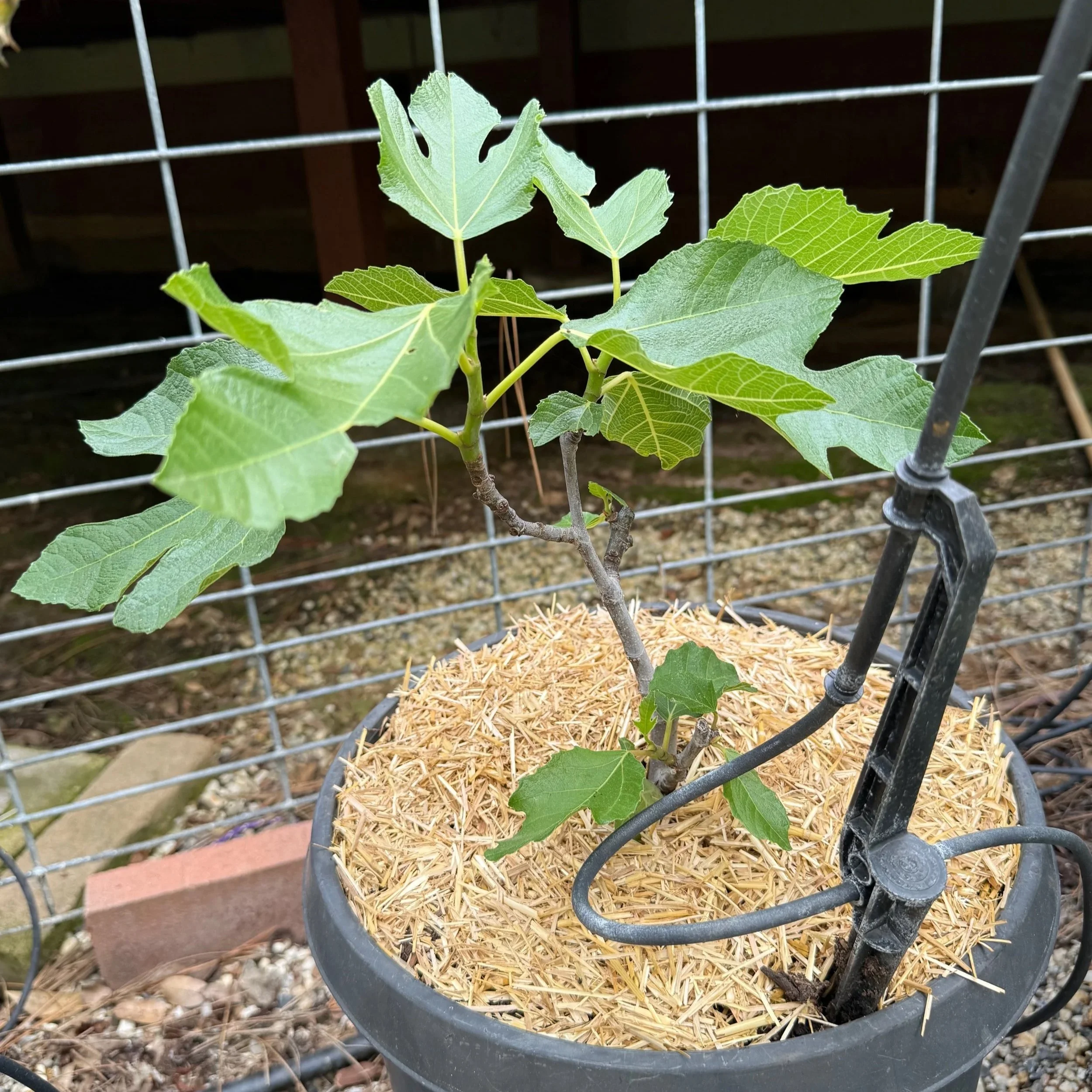
Dye Garden - Spring
The weather has been quite lovely in the Sierra Foothills. There’s a slight cold snap next week, but other than that it has been in the 70s and the perfect weather for gardening.
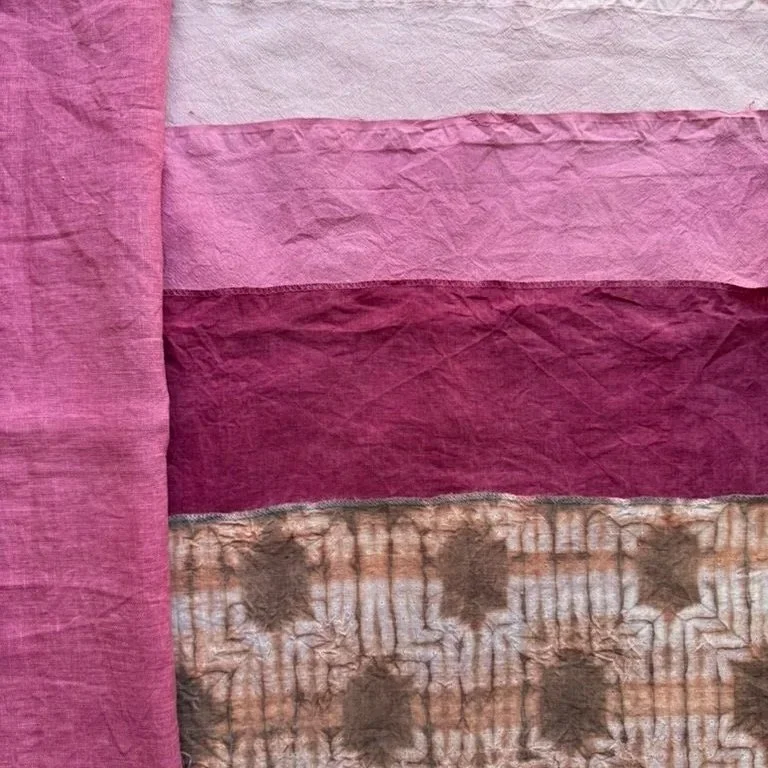
Soya as a Primer
The year long Printing & Painting On Textiles course that I’m taking from Plants & Colour has kicked off with a session dedicated to using Soya. I am familiar with Soya from a few of the workshops that I took in Japan, but this is a great push to adapt this into my general process.
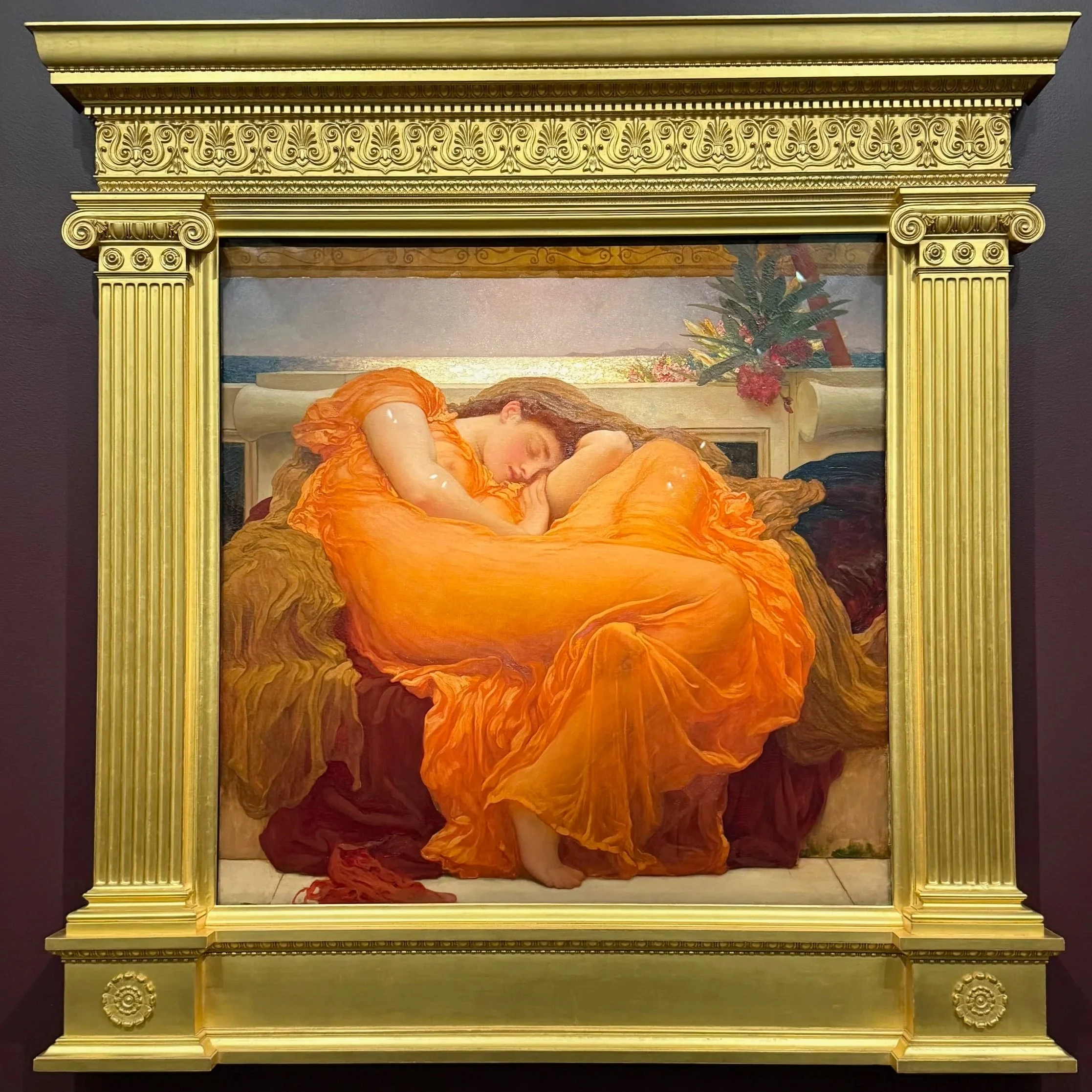
‘The Sense of Beauty’
During ArtMix I did not have a chance to see the Crocker’s exhibit featuring paintings from Museo de Arte de Ponce, so I made a trip to experience the installation on a quiet morning. The selection was beautiful and brought a sense of connection to the island by having its collection here in Sacramento. I applaud the work of the Crocker for coordinating this touching exhibit, and I’m glad I was able to make it after our event.