Dye Lab - Madder
Studio Notes on Madder (Rubia Cordifolia)
I prefer the ground Rubia Cordifolia from Maiwa. They provide phenomenal instruction and dye materials, I’ve had amazing results with their guidance.
In all cases, textiles have been prepared by scouring, gallnut tannin, and Alum mordant. Immersion dyeing is typically held at temperature to 1-2 hours. The red that we are after when dyeing with madder occurs when the temperature of the dye vat is kept below 200°F / 95 °C. If you stray beyond this, the color will turn brown. Fabrics are allowed to cool in the vat- or overnight if time permits.
The other aspect that greatly shifts the color is water. My water is well water, PH neutral, but high in minerals. You can tell by the buildup of calcium that I’m always fighting back on our glassware, appliances, faucets, and shower enclosures. Although this is a nightmare for my housekeeping, it really helps me when dyeing with Madder and Logwood. I do not have to do this, but if your water is soft it can be modified with 2 tsp of calcium carbonate added to the dye vat. This will help shift from orange to red. Always test your colors as you go, once you add things like chalk to the vat, you can not remove them.
You should also keep Madder’s PH sensitivity in mind - especially when working with Citric Acid or Vinegar. These will shift the PH balance of the Madder and change the color, even after it’s been dyed. I have noticed Madder dyed textiles will also react to things like heat erasable fabric marking pens and leave permanent marks.
I read in The Art and Craft of Natural Dyeing, 'Like madder, cochineal is polychromic, producing many colors and shades that vary with different mordants combinations, and the PH of the dye bath.'
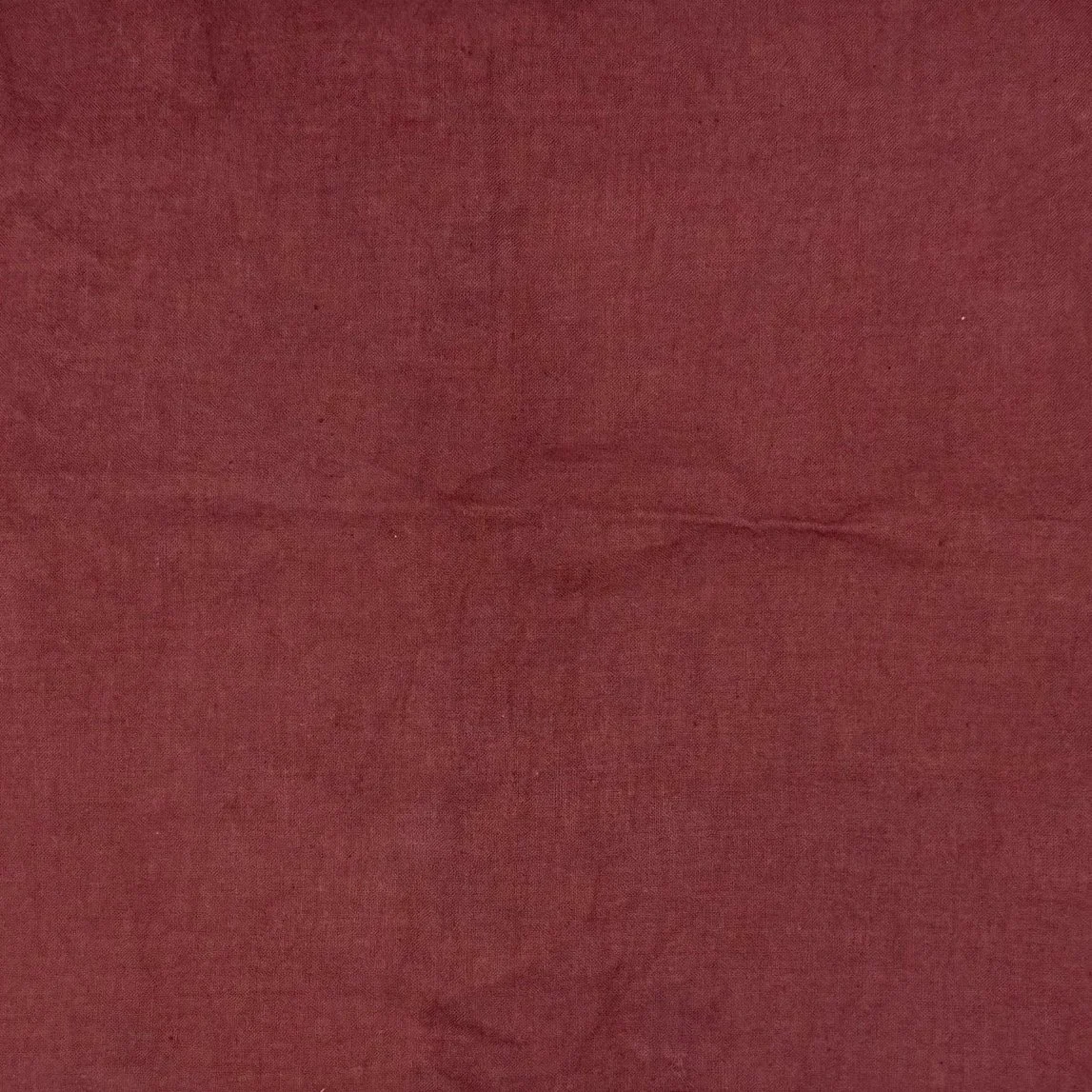
Madder on Cotton:
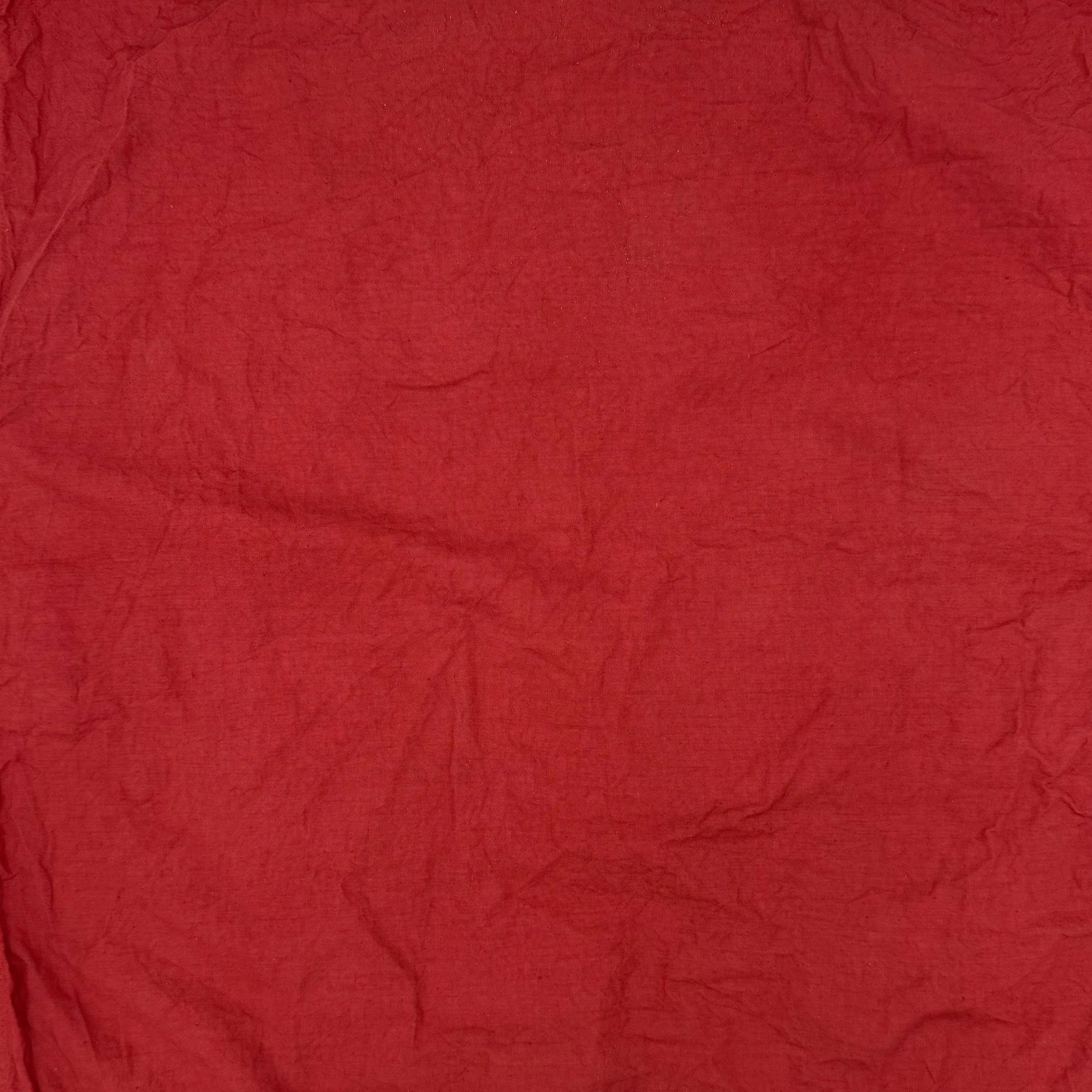
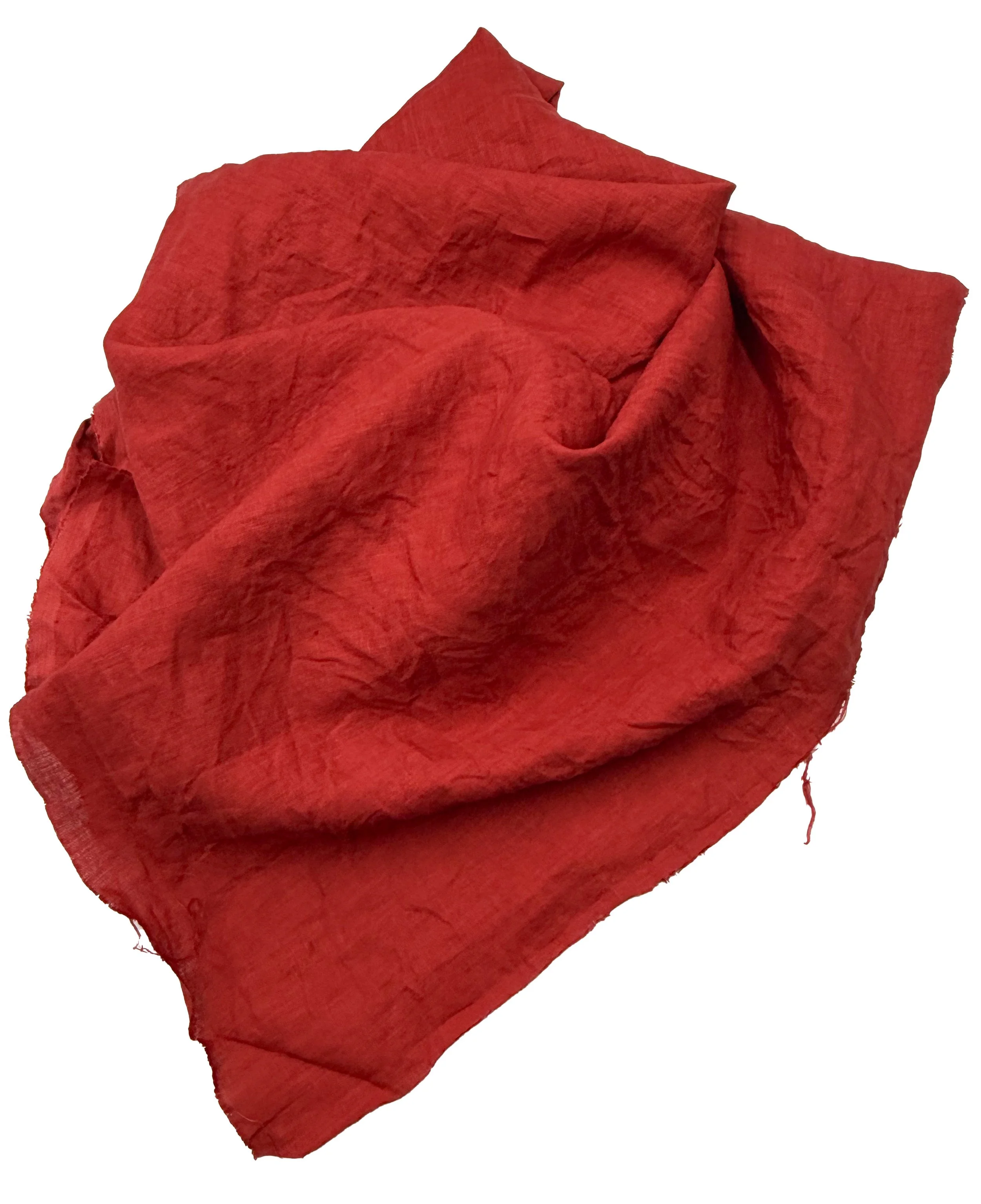
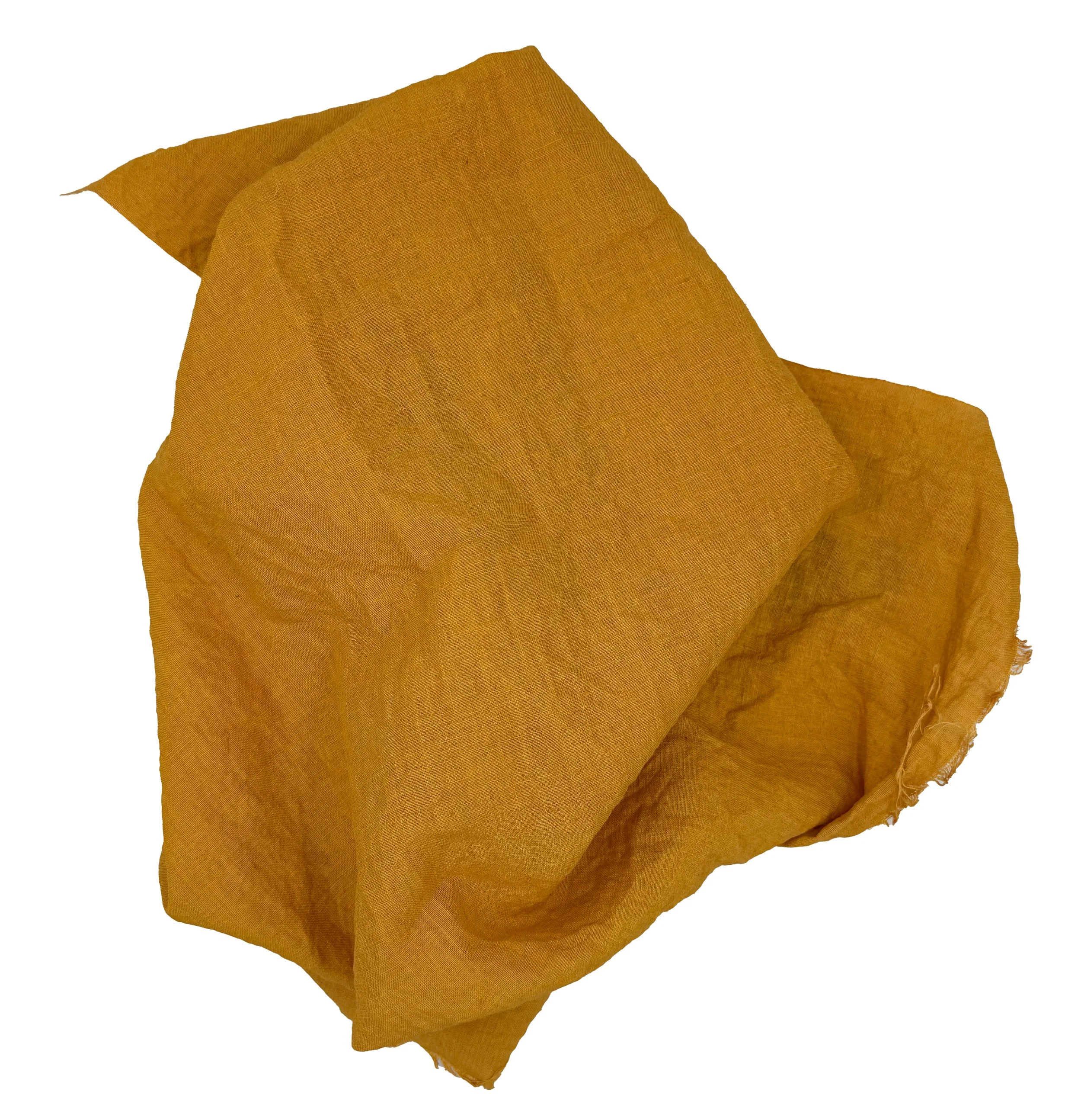
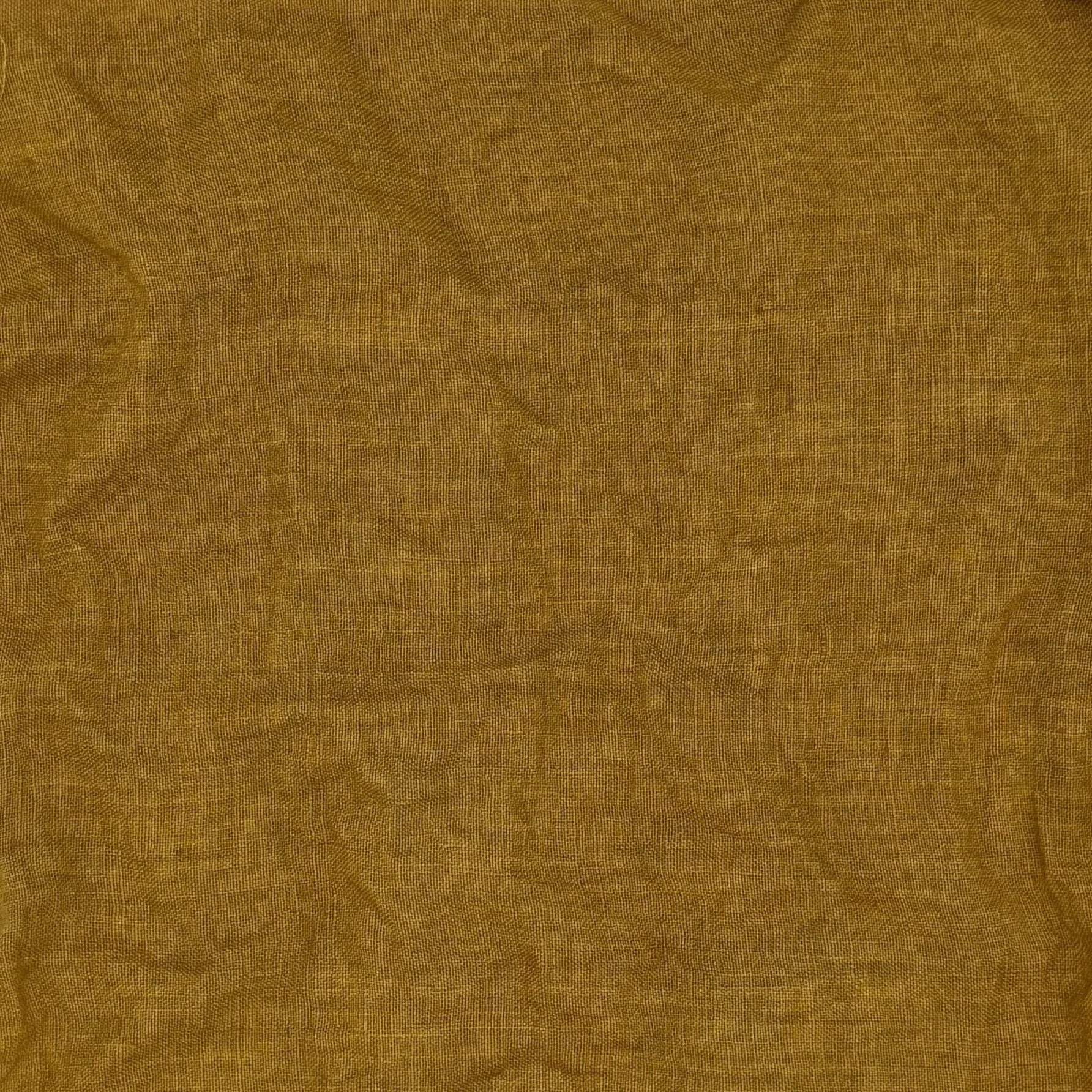
Madder on Linen:
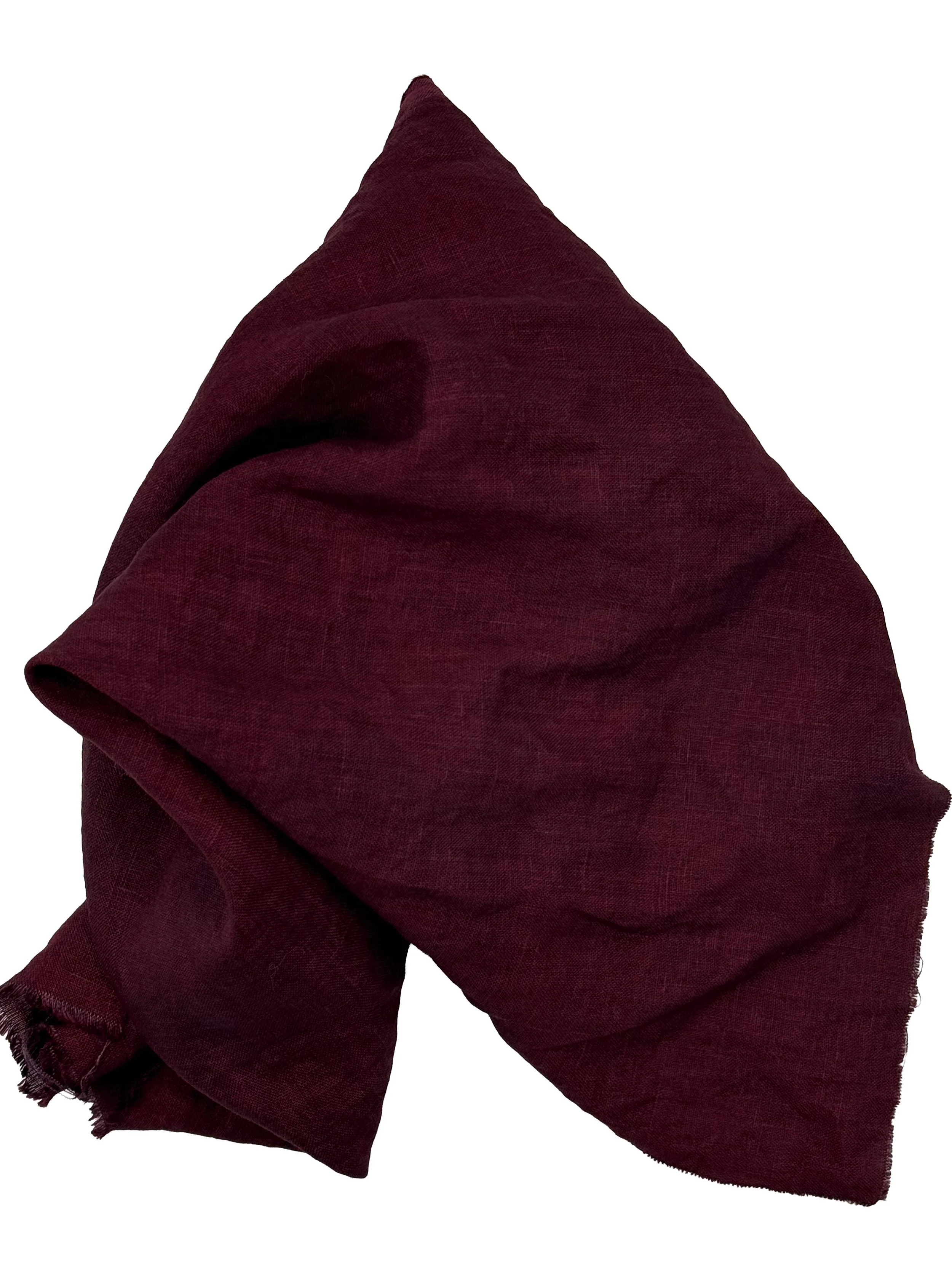
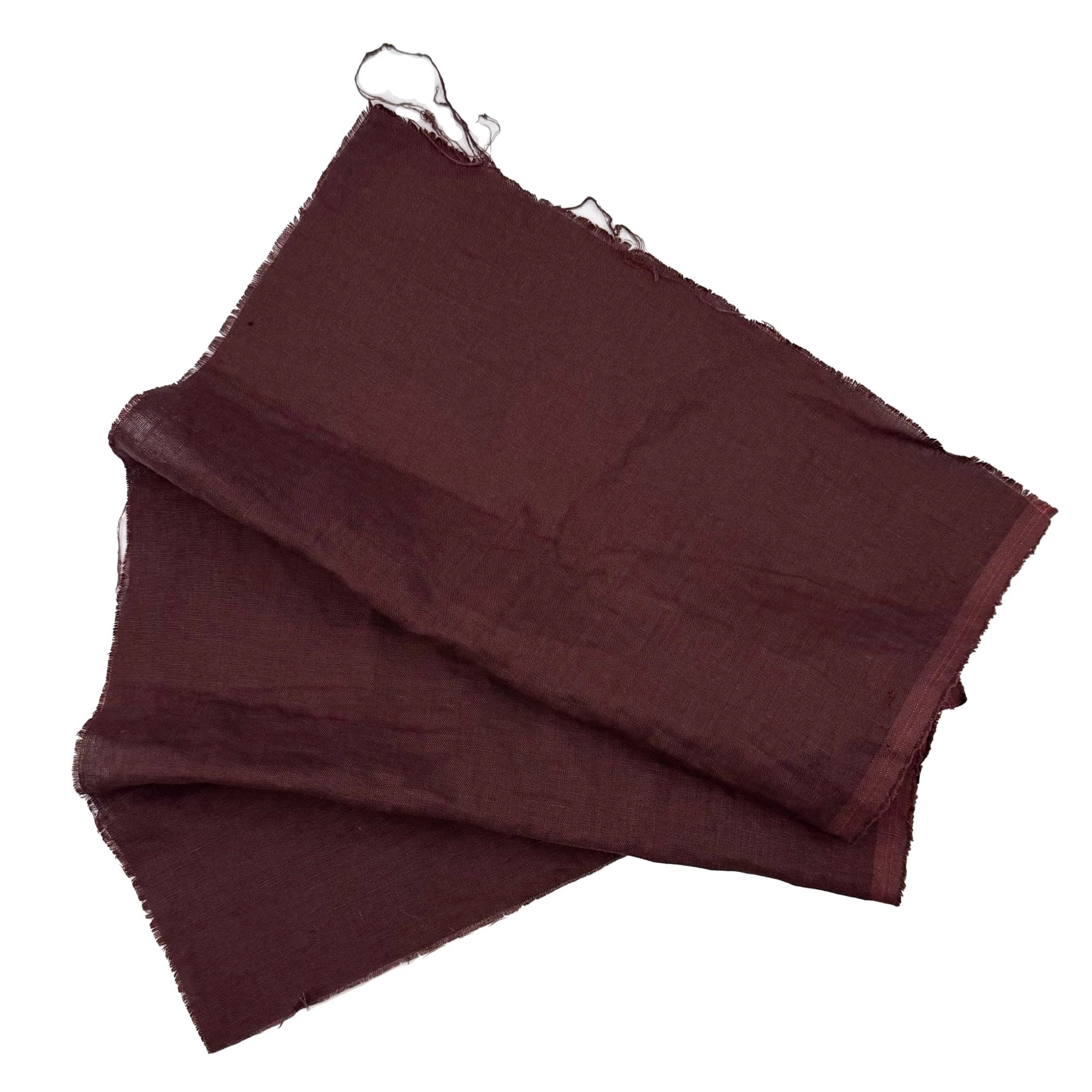
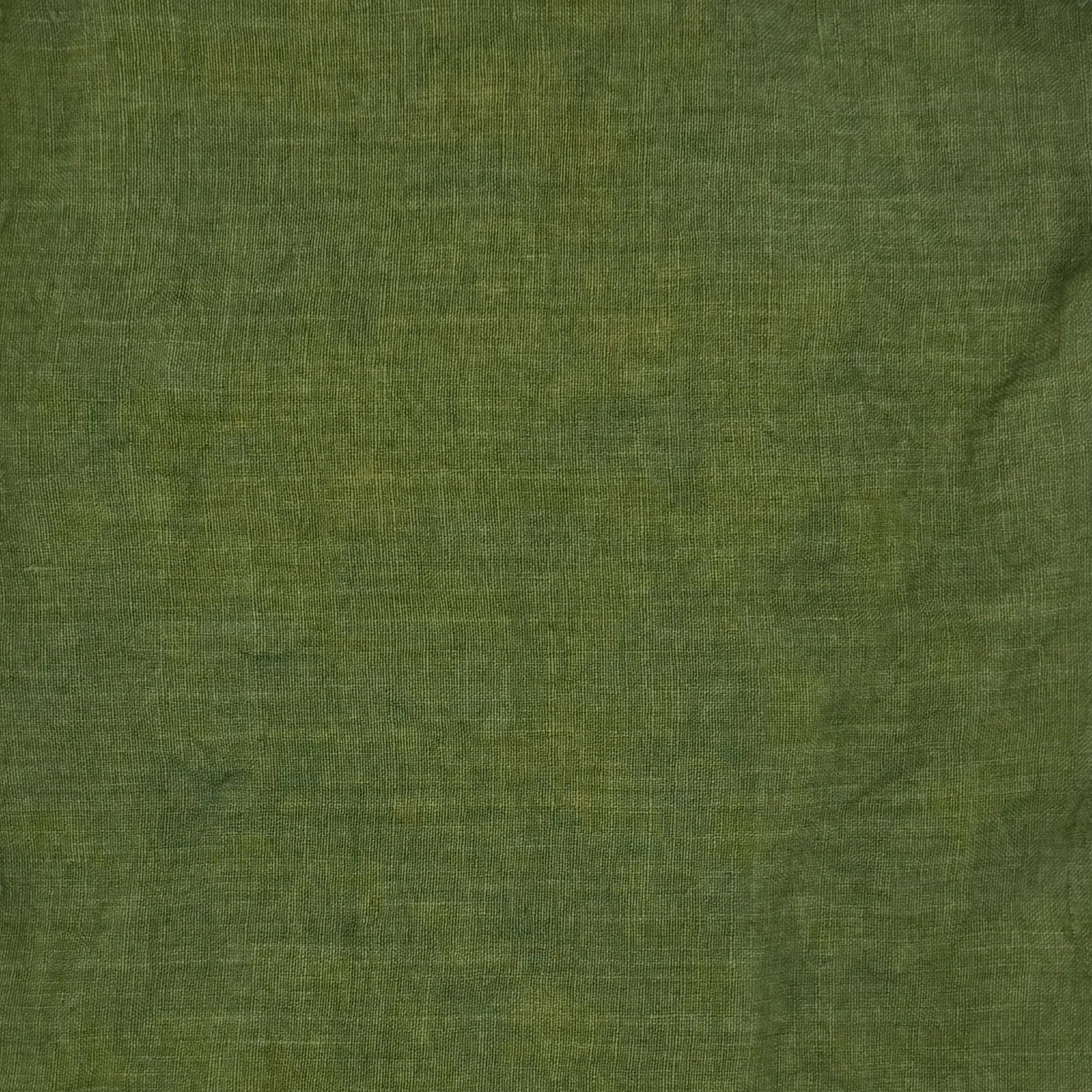
Weld & Madder on Linen:
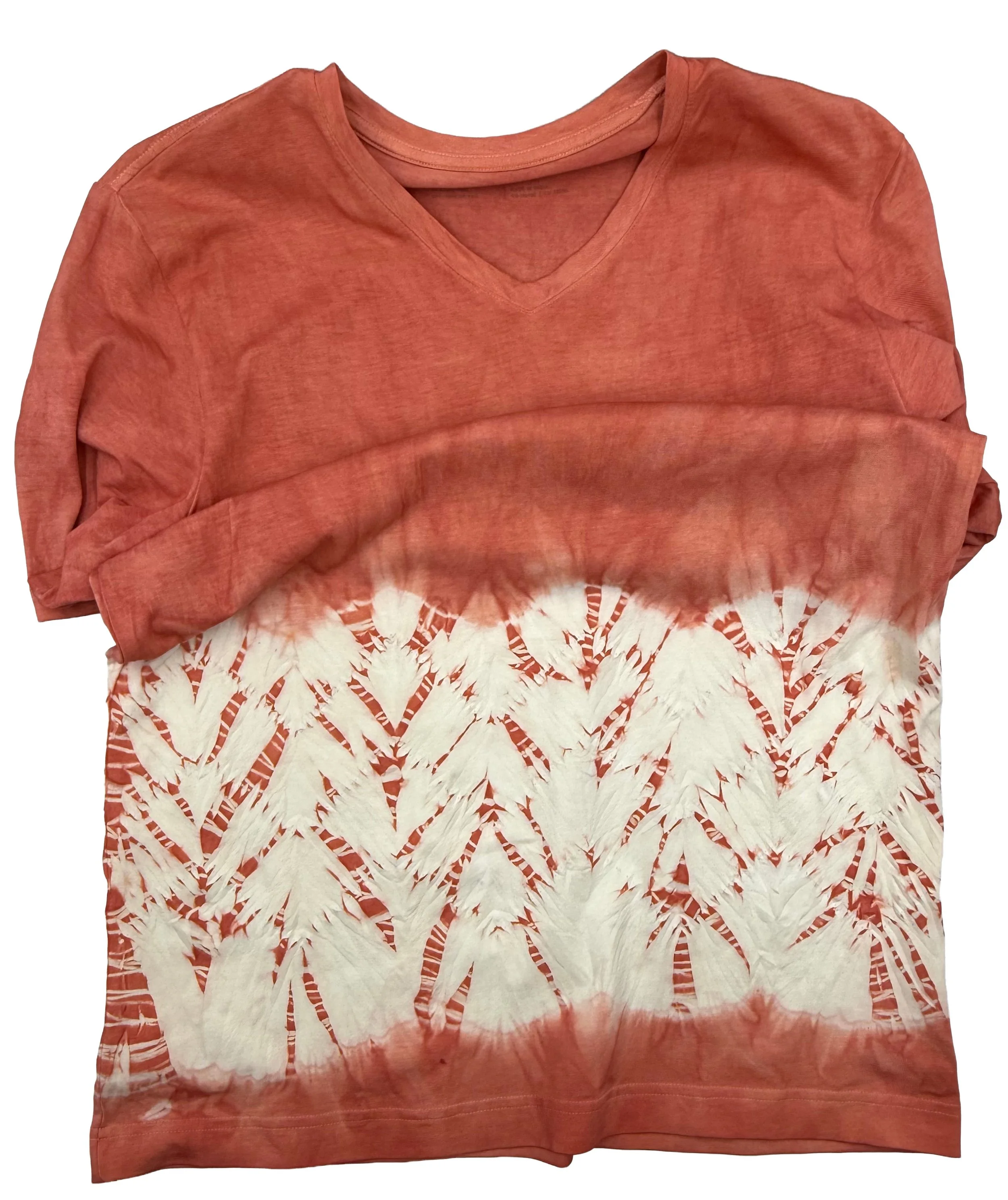
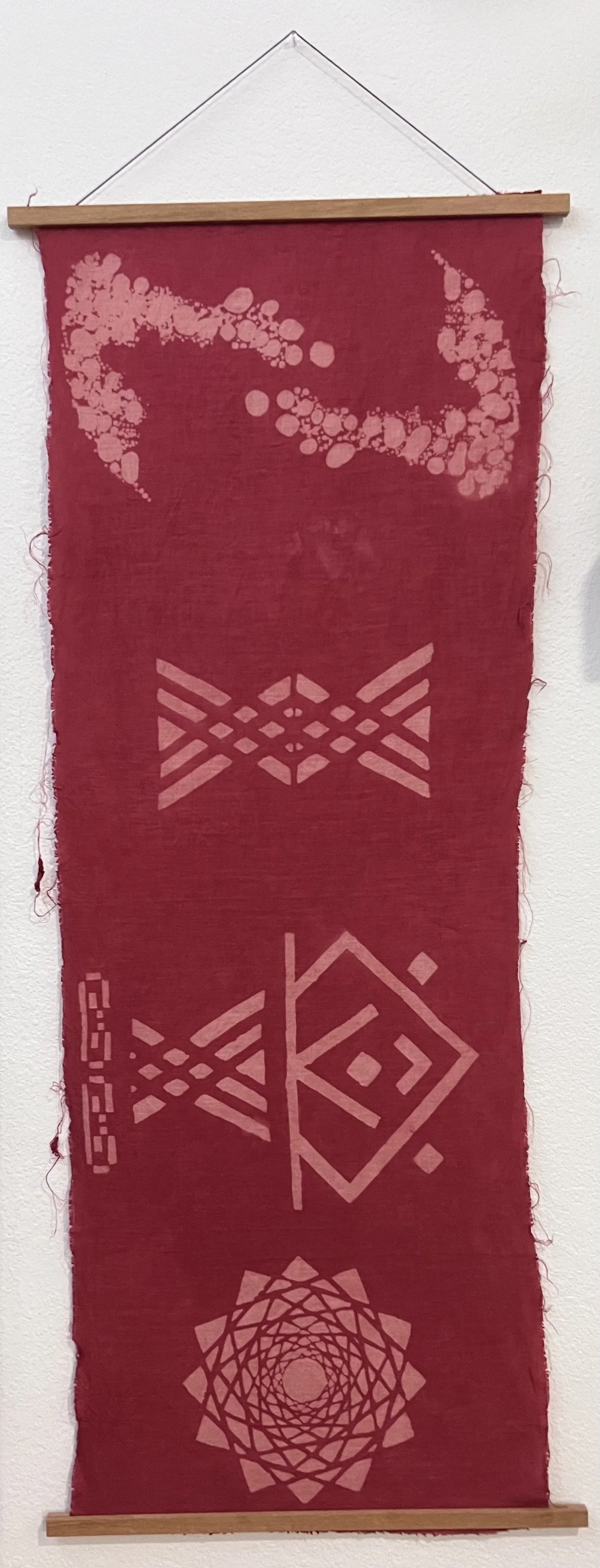
Completed Pieces with Madder: